
 See Our Latest Article on HelloNation
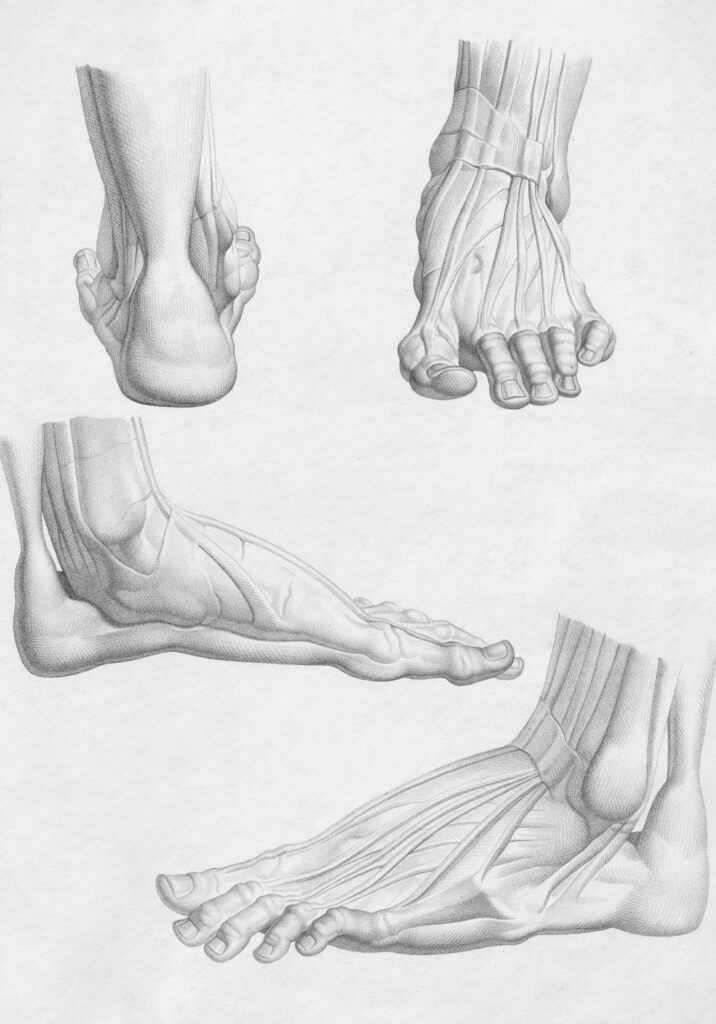
Why can foot pain affect the back?
In Sullivan, NY, foot pain may seem like an isolated problem, but the feet are part of a connected movement system that includes the ankles, knees, hips, pelvis, and spine. Changes in how one foot bears weight can alter walking patterns and place extra strain on areas higher in the body.
The connection is usually mechanical rather than direct. A painful foot may cause someone to limp, shorten a stride, turn the foot outward, or shift weight to the opposite side. These adjustments can temporarily reduce discomfort in the foot, but they may increase stress in the calf, knee, hip, pelvis, or lower back.
This does not mean that every case of foot pain is caused by spinal misalignment, or that every back problem begins in the feet. Foot structure, footwear, activity level, previous injuries, nerve irritation, and other health conditions may all contribute.
How does the foot influence posture and walking?
The foot has two important jobs during walking: it helps absorb impact when the body lands and becomes a firm lever when the body pushes off. To perform these tasks, the foot naturally moves through small amounts of pronation and supination.
Pronation generally involves the arch lowering and the foot rolling slightly inward. Supination involves the foot becoming more rigid and rolling slightly outward. These movements are normal. Problems may arise when motion is excessive, uneven from side to side, painful, or poorly controlled by the surrounding muscles.
A person with persistent pain may unconsciously:
- Avoid placing the heel down fully
- Spend less time on the painful side
- Rotate the foot outward
- Walk with a shorter stride
- Shift the pelvis or trunk to maintain balance
Over many steps, these changes can affect the rhythm of the entire body. The spine may move more than usual from side to side, or muscles around the lower back may remain tense to stabilize the pelvis.
Can flat feet or high arches cause back pain?
Flat feet and high arches do not automatically cause spinal problems. Many people have either foot shape without pain or movement limitations. The more useful question is whether the foot shape is associated with symptoms, uneven loading, or difficulty controlling movement.
A flexible flat foot may allow the arch and ankle to roll inward during standing or walking. In some people, this can contribute to inward rotation of the lower leg and changes in knee, hip, or pelvic motion. A very rigid high arch may absorb less impact, potentially increasing stress through the feet and legs.
These relationships are not simple or identical for everyone. A foot posture that causes problems for one person may be comfortable for another. Assessment should consider walking, standing, balance, muscle strength, joint mobility, and the location and timing of pain rather than relying only on the appearance of the arch.
Could spinal problems cause foot pain?
Yes. Foot symptoms can sometimes result from irritation of a nerve in the lower back or elsewhere along the leg. Nerve-related symptoms may include burning, tingling, numbness, electric-shock sensations, or weakness. Pain may travel from the lower back or buttock into the leg and foot, although back pain is not always present.
This pattern differs from many local foot conditions. Plantar fascia irritation, tendon problems, arthritis, stress injuries, and other foot disorders often produce pain that is more closely related to pressure, touch, certain shoes, or specific movements.
A chiropractic or other musculoskeletal evaluation may consider both possibilities by looking at the spine, pelvis, hips, legs, and feet. The purpose is not to assume that one area is responsible for everything, but to identify the movements and tissues most closely related to the symptoms.
What does “spinal alignment” really mean?
Spinal alignment is often used to describe how the head, spine, pelvis, and limbs are positioned in relation to one another. Human posture is not perfectly straight or fixed. The body constantly makes small adjustments while standing, walking, working, and changing direction.
A visible difference in posture does not necessarily indicate injury. Likewise, a person can have a generally symmetrical posture and still experience significant pain. Functional movement matters as much as appearance.
For foot-related symptoms, useful observations may include:
- Whether one shoe wears down differently from the other
- Whether the pelvis shifts during walking
- Whether the knees move inward or outward
- Whether balance changes when standing on one leg
- Whether the painful foot becomes less active during push-off
- Whether symptoms increase after prolonged standing or walking

These details can help distinguish a local foot problem from a movement pattern involving the entire lower limb and spine.
What can residents do at home?
For mild symptoms without warning signs, reducing aggravating activity for a short period may help. This does not usually mean complete rest. Gentle movement, comfortable walking, and a gradual return to normal activity can be more useful than remaining still for long periods.
Practical steps include:
- Wear supportive, comfortable footwear that does not squeeze the toes.
- Avoid suddenly increasing walking, running, yard work, or recreational activity.
- Use caution on uneven ground, especially during seasonal ice, snow, or wet conditions.
- Notice whether pain is worse during the first steps after rest, during activity, or afterward.
- Keep track of numbness, weakness, swelling, or changes in walking.
- Use gentle calf and foot mobility only if it does not increase symptoms.
Cold weather can also encourage people to stay inactive for long periods and then do too much outdoor work at once. A gradual warm-up and pacing can reduce sudden stress on the feet, legs, and back.
Arch supports or shoe inserts may help some people, but they are not universally necessary. An insert that changes foot mechanics too aggressively can create new discomfort. Footwear changes should be introduced gradually, and persistent symptoms deserve a more careful evaluation.
When should foot pain be evaluated?
Foot pain should be assessed when it is worsening, repeatedly returning, interfering with ordinary activities, or not improving after a reasonable period of home care. Numbness, tingling, or weakness deserves particular attention because these symptoms may involve nerve function.
Prompt medical evaluation is appropriate after a significant injury, especially if the foot is misshapen, severely swollen, or difficult to bear weight on. Urgent care is also warranted for a hot, red, swollen foot with fever, an open wound, or sudden calf swelling and tenderness.
People with diabetes should take new foot pain seriously because reduced sensation and circulation problems can allow injuries to worsen without obvious warning.
The most useful approach is to view the feet and spine as parts of one moving system while still considering local causes. Improving walking mechanics, strength, mobility, balance, and activity habits may reduce strain, but treatment should match the actual source of the pain rather than assuming that “alignment” alone explains every symptom.
