
 See Our Latest Article on HelloNation
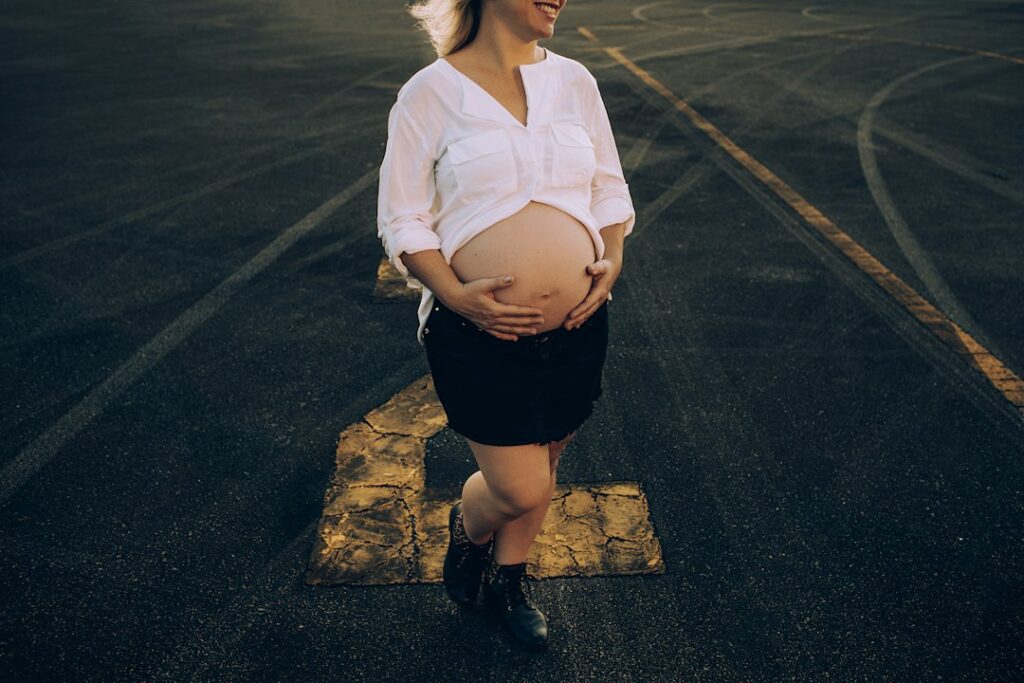
Back pain is common during pregnancy, but severe or unusual pain should not be dismissed. Changes in posture, body weight, ligaments, and abdominal muscle support can strain the lower back and pelvis. For residents of Sullivan, NY, seasonal chores such as shoveling, carrying firewood, walking on icy surfaces, or spending long periods in a car can add to that strain.
Most mild back pain can be managed with adjustments to movement, rest, positioning, and daily activities. The safest approach depends on the stage of pregnancy, overall health, and whether any complications are present.
Why does pregnancy cause back pain?
Pregnancy-related back pain usually comes from several changes happening at once. As the uterus grows, the body’s center of gravity shifts forward. The lower back may curve more than usual, while the abdominal muscles stretch and provide less support.
Pregnancy hormones also loosen ligaments around the pelvis and other joints. This helps prepare the body for childbirth but can make the back and pelvic joints feel less stable. Extra weight, fatigue, prolonged standing, and poor sleep can increase discomfort.
Pain may be felt in the lower back, buttocks, hips, or the area around the pelvic joints. Some people experience aching, stiffness, or pain that worsens after walking, lifting, climbing stairs, or changing position in bed.
What can help relieve back pain safely at home?
Gentle, consistent changes are usually more helpful than complete bed rest. Try to maintain comfortable movement while avoiding activities that clearly increase pain.
- Use a chair with firm back support. A small cushion behind the lower back may improve comfort.
- Change positions regularly instead of sitting or standing for long periods.
- When standing for a while, place one foot on a low step or sturdy box and switch sides.
- Wear supportive shoes with a low, stable heel. This can be especially helpful on uneven ground or during icy weather.
- Keep frequently used household items between waist and shoulder height to reduce repeated bending.
- Turn by moving the feet rather than twisting the spine.
- If lifting is necessary, bend at the knees, keep the object close to the body, and avoid lifting heavy loads.
- Divide groceries, laundry, or other items into smaller loads.
During winter, extra caution is useful. Avoid carrying bulky items across slippery walkways, and use handrails when available. A fall or sudden twisting motion can aggravate the back even if there is no obvious injury.
Which sleeping positions may reduce discomfort?
Side sleeping is generally more comfortable later in pregnancy and may reduce pressure on the lower back. Place a pillow between the knees, and consider another pillow under the abdomen for support. A full-length body pillow may help keep the hips and spine in a more neutral position.
The mattress should provide steady support without forcing the body into a deep sag. If getting out of bed is painful, roll onto the side first, lower the legs over the edge, and use the arms to push up rather than sitting straight up.
Lying flat on the back for long periods later in pregnancy may cause dizziness or discomfort for some people. If that position feels unpleasant, change positions rather than trying to tolerate it.
Is exercise safe for pregnancy-related back pain?
For many people with uncomplicated pregnancies, gentle activity can reduce back pain and improve strength. Walking, swimming, water exercise, stationary cycling, and pregnancy-modified stretching are commonly suitable options when approved by an obstetric care provider.
Start slowly if activity has been limited. A short walk divided into several comfortable periods may be more manageable than one long walk. The “talk test” is a practical guide: exercise should generally allow normal conversation without severe breathlessness.
Gentle pelvic and back exercises may help, but pregnancy changes balance and joint stability. Avoid jerky movements, forceful stretching, high-impact activity, and exercises with a significant risk of falling. Stop if pain increases rather than trying to work through it.
Do not begin a new exercise routine without checking that it is appropriate for the pregnancy. This is particularly important with a history of preterm labor, placenta-related complications, bleeding, high blood pressure, significant pelvic pain, or other medical concerns.
Can heat, cold, massage, or chiropractic care help?
A warm—not hot—shower or compress may relax sore muscles. If using a heating pad or warm water bottle, keep the temperature low, place a towel between the heat source and skin, and use it for limited periods. Avoid overheating the entire body, including hot tubs and very hot baths.
A cold pack wrapped in cloth may help after activity or when the area feels inflamed. Limit applications and protect the skin.
Prenatal massage may be appropriate when performed by someone trained to work with pregnant patients. The pregnancy should always be disclosed before any massage or hands-on treatment.

Some pregnant patients ask whether chiropractic treatment is safe. Spinal or pelvic techniques should not be assumed to be appropriate for everyone. Any manual treatment should be discussed with the prenatal care provider and performed only by a clinician trained in pregnancy-related care. Forceful techniques, treatment over areas of injury, and treatment that causes pain should be avoided. A prenatal clinician may instead suggest physical therapy, specific exercises, or other support based on the cause of the pain.
Which pain medicines are safe during pregnancy?
Do not assume that an over-the-counter pain reliever is safe simply because it does not require a prescription. Acetaminophen may be recommended in some pregnancies, but the correct choice and dose depend on medical history, other medications, liver health, and the pregnancy itself.
Nonsteroidal anti-inflammatory drugs, including ibuprofen and naproxen, may not be appropriate during pregnancy, particularly later in pregnancy. Ask an obstetric care provider or pharmacist before taking any medication, including combination cold remedies, herbal products, or topical pain treatments. Never exceed the label dose or combine products that contain the same active ingredient.
When is pregnancy back pain a warning sign?
Back pain needs prompt medical attention when it is severe, sudden, persistent, or different from usual muscle soreness. Contact the prenatal care provider promptly if back pain occurs with:
- Vaginal bleeding or fluid leakage
- Fever or chills
- Burning or pain during urination
- Pain in the side or under the ribs
- Regular, painful contractions or abdominal cramping
- New pressure in the pelvis
- Severe pain that does not improve with rest
- Numbness, weakness, or loss of feeling in the legs, buttocks, or genital area
- Trouble controlling urination or bowel movements
- One-sided leg swelling or calf pain
Back pain in the second or third trimester can sometimes be associated with early labor, a urinary infection, or another condition requiring evaluation. Numbness or weakness affecting both legs, the buttocks, or the genital area is an emergency symptom.
Pain lasting more than two weeks, or pain that interferes with walking, sleeping, or routine activities, also deserves medical review. A prenatal provider can determine whether the problem is typical pregnancy-related strain or whether another cause should be ruled out.
