
 See Our Latest Article on HelloNation
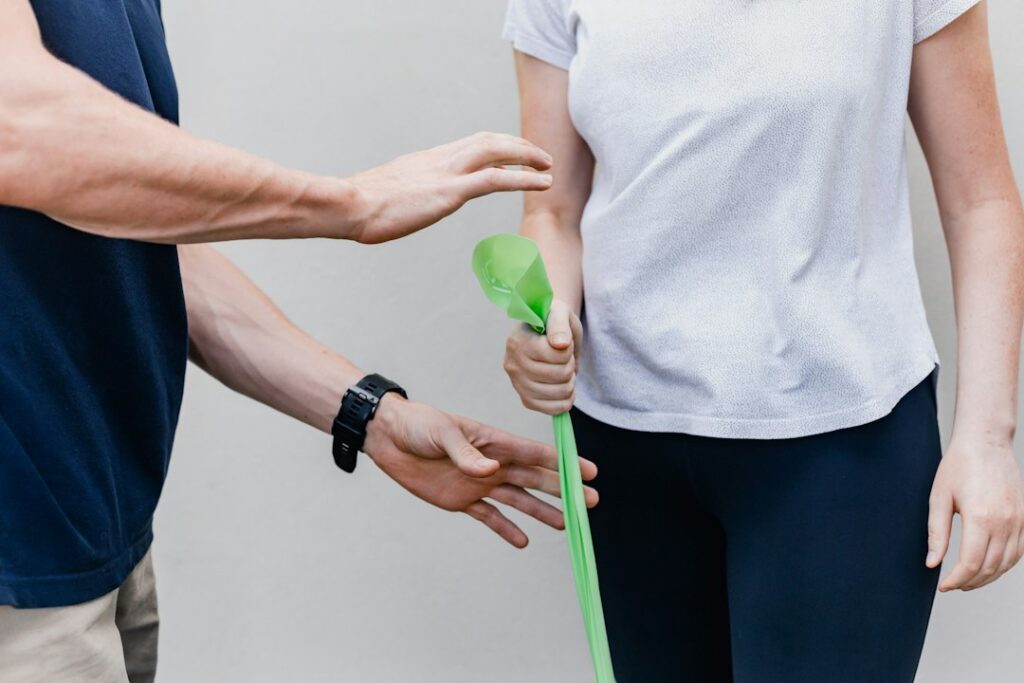
Sports injuries are not limited to professional athletes. They can affect children in organized activities, adults who run or cycle, people who lift weights, and residents who enjoy seasonal outdoor recreation. Chiropractic care may support injury prevention by identifying movement limitations, improving musculoskeletal function, and helping people manage training loads safely.
It is not a substitute for proper conditioning, protective equipment, medical evaluation, or sport-specific coaching. Its role is best understood as one part of a broader injury-prevention plan.
Can chiropractic care prevent sports injuries?
Chiropractic care cannot guarantee that an injury will not occur. However, an evaluation may identify factors that can increase strain, such as restricted joint motion, muscle imbalance, poor movement control, or difficulty maintaining proper technique.
A chiropractor may assess:
- Joint range of motion
- Spinal and pelvic movement
- Muscle flexibility and strength
- Balance and coordination
- Repetitive movement patterns
- Training habits and recovery time
- Previous injuries that continue to affect movement
The purpose is not simply to “put something back in place.” A useful evaluation looks at how the body moves during activities such as running, jumping, throwing, lifting, swinging, or changing direction.
For example, limited ankle motion may affect how a person lands from a jump. Reduced hip mobility may place more stress on the lower back or knee. Weakness in the trunk or hips may make it harder to control the body during cutting movements. These factors do not prove that an injury will happen, but they can help guide safer exercise choices.
What does a chiropractor do for an active person?
Chiropractic care commonly focuses on the spine and other joints, along with muscles and soft tissues that influence movement. Depending on the individual’s needs, care may include spinal manipulation, joint mobilization, soft-tissue techniques, stretching advice, strengthening exercises, and movement education.
Spinal manipulation may provide modest relief for some types of low-back pain, but evidence for using it alone to prevent sports injuries is limited. Prevention usually depends more on a combination of strength, mobility, balance, technique, gradual training progression, and adequate recovery.
A responsible plan should be specific to the person and activity. A recreational runner may need guidance related to stride, hip control, and training volume. Someone who plays a throwing sport may need attention to shoulder and upper-back mobility. A person who shovels snow, lifts recreationally, or participates in winter activities may need a different approach.
Why mobility and movement quality matter
Many sports require joints to move through a specific range while the surrounding muscles provide control. If one area is stiff or weak, another area may compensate.
Mobility refers to the ability to move a joint through an appropriate range. Stability refers to the ability to control that movement. Both are useful. Excessive flexibility without strength can create control problems, while stiffness may force compensating movements.
A movement assessment may reveal practical issues such as:
- A knee moving inward during a squat or landing
- A shoulder losing control during overhead motion
- An inability to rotate through the upper back
- Uneven balance between the right and left sides
- A rounded or strained posture during lifting
- Reduced ability to absorb impact
Improving these patterns often requires active exercise, not passive treatment alone. Strengthening the hips, trunk, shoulders, or lower legs may be more important for long-term protection than short-term changes in joint motion.
How does chiropractic fit with warm-ups and conditioning?
Chiropractic care works best as a supplement to basic sports preparation. A warm-up should gradually raise body temperature and rehearse movements used during the activity. Light jogging, dynamic leg movements, controlled lunges, arm circles, or lower-intensity practice drills may be appropriate depending on the sport.
Conditioning should also build gradually. A common mistake is increasing mileage, weight, speed, or practice time too quickly after a period of inactivity. This can occur in early spring, after a long winter, or when a person begins a new recreational activity without allowing time for adaptation.
A practical progression includes:
- Starting with manageable intensity
- Increasing only one major training factor at a time
- Taking rest or lighter days between demanding sessions
- Practicing sport-specific movements before full competition
- Replacing worn or unsuitable equipment
- Stopping when pain changes movement or continues to worsen

Cold weather adds another consideration for residents of Sullivan. Muscles may feel stiffer during outdoor activity in low temperatures, and snow, ice, or uneven ground can increase the demand on balance and reaction time. Longer gradual warm-ups, appropriate footwear, and careful surface awareness are especially relevant during winter recreation and outdoor work.
Can chiropractic care help after a previous injury?
A previous injury can change movement even after pain has improved. Someone who has sprained an ankle may continue placing less weight on that side. A person who has experienced back pain may avoid rotating or bending normally. Over time, these protective habits can shift stress to other areas.
Rehabilitation should address both symptoms and function. Chiropractic care may be included when the problem involves musculoskeletal pain or restricted movement, but recovery often also requires strengthening, balance work, flexibility training, and a gradual return to activity.
Returning too soon is a common cause of reinjury. The ability to walk without pain does not necessarily mean a person is ready to sprint, jump, lift heavily, or compete. Readiness should be judged by strength, coordination, range of motion, sport-specific drills, and the body’s response during and after activity.
What injuries require medical evaluation?
Chiropractic care is not appropriate for every sports injury. Immediate medical assessment may be necessary after a serious collision, suspected fracture, dislocation, head injury, loss of consciousness, or sudden severe pain.
Prompt evaluation is also warranted for symptoms such as:
- Numbness or progressive weakness
- Loss of bladder or bowel control
- Severe swelling or deformity
- Inability to bear weight
- Chest pain or unusual shortness of breath
- Persistent dizziness, confusion, or vomiting after a head impact
- Pain that is worsening despite rest
Neck manipulation deserves particular caution. Anyone with unusual neck pain, neurological symptoms, severe headache, dizziness, or a recent trauma should be evaluated before receiving treatment involving the neck. Patients should also provide a complete health history, including medications, osteoporosis, bleeding disorders, recent surgery, and other conditions that may affect safety.
What should residents look for in prevention advice?
Useful injury-prevention guidance should be measurable and realistic. Be cautious of claims that a single adjustment can prevent all injuries, correct every athletic problem, or improve performance without exercise and skill development.
A sound approach explains:
- What movement or training factor is being addressed
- Which exercises can improve strength or control
- How activity should be modified temporarily
- When normal participation can resume
- Which symptoms require another type of evaluation
For active residents of Sullivan, the most effective approach is usually collaborative. Chiropractic care may contribute to movement assessment and musculoskeletal management, while coaches, athletic trainers, physical therapists, physicians, and exercise professionals may address conditioning, rehabilitation, technique, or medical concerns. Prevention is strongest when each part of the plan has a clear purpose.
