
 See Our Latest Article on HelloNation
Knee pain is a common complaint for many residents of Sullivan, NY, especially given our active lifestyles, outdoor recreational opportunities, and ever-changing weather. Whether it stems from old sports injuries, gardening, long hours standing at work, or just the wear and tear of daily activities, knee discomfort can limit your ability to enjoy everything our beautiful Catskills community offers. The good news? There are several effective ways to alleviate knee pain naturally—without relying on medications.
This blog will explore those methods, address common questions, and offer practical solutions tailored to local life in Sullivan, NY.
Understanding Knee Pain: Common Causes in Sullivan
Knee pain can be caused by several factors, including:
- Osteoarthritis, common in aging populations
- Overuse injuries from hiking, jogging, or sports
- Strain from repetitive work or heavy lifting
- Poor posture or gait issues
- Previous injuries from slips on icy driveways during winter
Living in Sullivan, with our love for outdoor adventures like hiking along the Neversink River or playing sports at local parks, means keeping our knees healthy is essential for staying active.
Stay Active with Low-Impact Exercise
While rest is important, too much inactivity may worsen stiffness and pain. Instead, opt for gentle, low-impact exercises to keep your knees strong and mobile:
- Walking: Sullivan’s unique landscape is perfect for walking, especially on flat paths and around local lakes. Start with short distances and build gradually.
- Cycling: Biking is gentle on the joints and available in many local parks or along scenic roads.
- Swimming: The low-impact nature of water exercise helps strengthen muscles without stressing the knees.
- Stretching and Yoga: Simple stretches or yoga routines (like those offered at community centers) keep your knees flexible and relieve tension.
Strengthen the Muscles Around Your Knee
Supporting muscles, especially the quadriceps, hamstrings, and calves, play a big role in knee stability and function. Focus on strengthening these groups:
- Wall sits
- Straight-leg raises
- Hamstring curls
- Calf raises
You don’t need a gym membership—use your own body weight, a sturdy chair, or resistance bands at home.
Mind Your Weight and Nutrition
Maintaining a healthy weight is especially important during the long winters in Sullivan, where many are less active and prone to weight gain. Extra pounds increase stress on knee joints. Steps to help:
- Eat a balanced diet: Focus on lean protein, whole grains, fruits, and vegetables.
- Stay hydrated: Proper hydration helps your joints stay lubricated.
- Limit processed foods: High sugar and saturated fats can worsen inflammation.
Use Cold and Heat Therapy at Home
Alternating cold and heat packs is a tried-and-true strategy for pain and swelling relief:
- Ice: Reduce swelling and numb sharp pain. Apply an ice pack wrapped in a towel for 15–20 minutes, especially after activity.
- Heat: Soothes stiff joints and muscles before activity. Use a heating pad or a warm towel (avoid if there’s acute swelling).
This is especially helpful after shoveling snow or spending time outdoors during chilly Sullivan winters!
Try Supportive Gear and Proper Footwear
Good support can make a world of difference:
- Knee braces or sleeves: These stabilize the joint, especially during hikes or busy workdays.
- Shock-absorbing insoles: Use quality insoles in your shoes to alleviate pressure and improve your posture, reducing knee stress on uneven local terrain.
Practice Good Body Mechanics

Daily tasks like yard work, snow shoveling, and carrying groceries can aggravate knee pain if done incorrectly. Tips:
- Lift with your legs, not your back or knees.
- Avoid twisting while lifting.
- Try not to lock your knees when standing for long periods.
Local fitness classes or physical therapy clinics often offer workshops on body mechanics and safe movement—take advantage of these community resources!
Consider Manual Therapy and Chiropractic Care
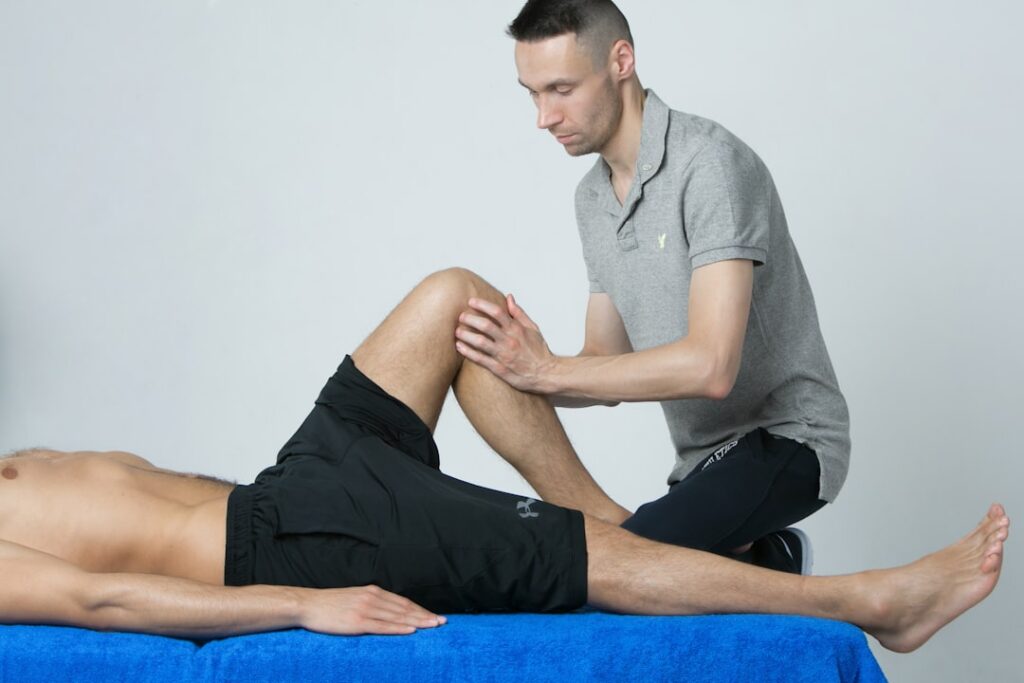
Non-invasive manual therapies can be a game-changer for knee pain. Chiropractic adjustments, targeted massage, and mobilization exercises promote better knee alignment, reduce inflammation, and improve overall movement.
Local chiropractors in Sullivan are familiar with the seasonal changes and common complaints among community members, providing personalized recommendations and care routines.
Create a Home Exercise Routine
Build a habit that fits your lifestyle:
- Set aside 30 minutes daily for activity—even gentle stretching in your living room on snowy days counts!
- Incorporate variety to prevent boredom and target all muscle groups.
- Listen to your body, and increase intensity gradually.
When to Seek Professional Help
While many cases of knee pain improve with natural remedies, seek professional advice if:
- Pain persists beyond a few weeks
- You experience swelling, redness, or warmth
- Knee gives way or can’t fully extend/flex
A quick consultation can rule out serious conditions and provide a tailored recovery approach.
Sullivan, NY-Specific Tips
Our region’s weather and lifestyle present unique challenges:
- Winter: Practice extra caution on icy sidewalks. Use shoe spikes or trekking poles during walks.
- Spring/Summer: Warm up before gardening or local outdoor sports to prep your knees for activity.
- Fall foliage hikes: Use sturdy boots—uneven trails can strain vulnerable knees.
Don’t let knee pain sideline you from enjoying everything Sullivan, NY, has to offer. With these natural, non-medication strategies, you can stay active, independent, and pain-free throughout the year.
