
 See Our Latest Article on HelloNation
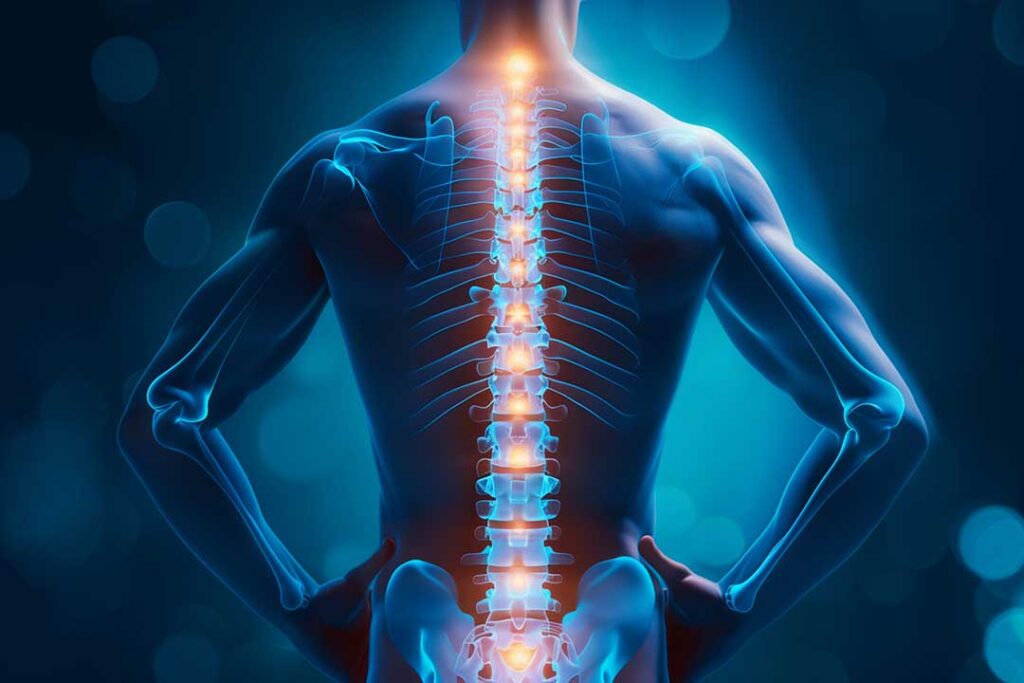
Should You Use Ice or Heat for Back Pain Relief?
Both ice and heat can help ease back pain, but their effectiveness depends on what is causing your discomfort and how long you have been experiencing symptoms. Residents of Sullivan, NY often wonder which method to try first, especially after outdoor activities or during seasonal shifts that may affect joint and muscle health.
What’s the Basic Difference Between Ice and Heat?
- Ice is generally used to reduce inflammation and numb sharp pain in the early stages of an injury.
- Heat is better for loosening tight muscles and improving blood flow, more useful for chronic or long-standing soreness.
Using the right method can make a real difference in the speed and comfort of recovery.
When Should I Use Ice?
Ice works best in the first 24-72 hours after a new injury, such as a muscle strain from shoveling snow or lifting heavy objects. Cold therapy:
- Constricts blood vessels to limit swelling
- Numbs the sore area, reducing the sensation of pain
- Slows nerve activity, which can quiet spasms or sharp aches
How to Apply Ice Safely
Wrap an ice pack, bag of frozen vegetables, or cold gel pack in a thin towel–never place it directly on the skin to avoid frostbite. Apply for 15–20 minutes, then remove for at least 30–40 minutes before reapplying if needed.
Common Examples in Sullivan
After a winter slip on a local sidewalk or a sudden backyard injury, using ice promptly can minimize swelling and help you move more comfortably as you heal.
When Is Heat More Helpful?
Heat is typically best for more ongoing or “stiff” back pain, like what many local residents notice after raking leaves in fall, driving long distances, or after a season of inactivity. Heat:
- Relaxes tense muscles and helps joints loosen up
- Boosts blood flow, which may ease soreness and support healing
- Increases flexibility, allowing you to move more freely
Safe Ways to Use Heat
Use a heating pad set to low or medium, a warmed towel, or a microwavable pack. Apply heat for 15–20 minutes at a time. For people worried about falling asleep with a heating pad on, self-heating patches that cool down safely can be a good alternative.
Practical Advice for Area Households
On Sullivan’s chilly mornings, some find relief from a tight, achy back by taking a warm shower or using a heating pad before heading outside. This simple practice may ward off stiffness that often arises with colder weather and sedentary habits indoors.
What If I’m Not Sure What Caused My Back Pain?
If you can’t point to a clear injury and the pain came on gradually, heat is often the better option to start. For pain after a minor accident or sports activity, begin with ice. Switch to heat after the initial swelling or sharp pain has settled, usually after a couple of days.
Are There Times When I Shouldn’t Use Ice or Heat?

Both ice and heat have simple safety guidelines:
- Avoid ice for people with circulation issues or poor sensation in the area.
- Skip heat if you notice swelling, skin redness, or if you have certain health conditions that make you prone to burns or overheating.
- Never sleep directly on a heating pad or ice pack.
If back pain worsens, lasts more than a week, or comes with concerning symptoms such as leg weakness, numbness, trouble controlling your bladder, or a high fever, it’s time to seek medical help.
Benefits and Limits: Understanding Relief Versus Recovery
Using ice or heat is a supportive step for comfort, not a cure for underlying causes. Both approaches can help you feel better while you rest or gradually return to gentle activity. However, back pain that persists despite home care may signal a deeper problem that needs evaluation.
Common Misconceptions in the Community
- Believing “more is better” and applying ice or heat for long stretches: Doing so can injure skin and tissues.
- Thinking one method suits all back pain: The right approach depends on timing and the cause.
- Using ice or heat as a cure: These methods support recovery but will not fix issues like herniated discs or pinched nerves.
Everyday Tips for Sullivan Residents
- Alternate ice and heat for stubborn aches if pain isn’t improving after a few days—but always start with ice for new, sharp pain or swelling.
- Consider the local climate: Cooler homes during winter or damp spring conditions may call for gentle warmth to relieve minor stiffness.
- Use a timer to keep track of application time, especially when distracted at home.
Adjusting these approaches to fit daily routines and local conditions can help area households manage occasional back discomfort safely and effectively.
